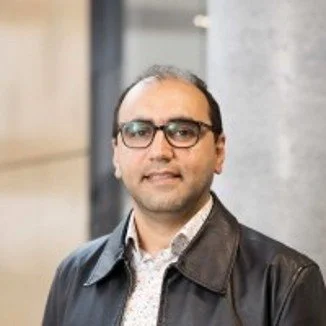
Omid Kavehei
“From Device to Data and Back: MicroSystems for the Future of Sensing, Data Processing and Modulation”
Professor Omid Kavehei (Fellow of IEAust, Fellow of RSN) is a Professor of Intelligent Microsystems in the Faculty of Engineering at the University of Sydney, where he also serves as Deputy Head of the School of Biomedical Engineering. Prior to this role, he was a Research Fellow in Microelectronics at the Centre for Neural Engineering at the University of Melbourne and a continuing Lecturer at RMIT University. From 2011 to 2014, he was involved in the Bionic Eye project, a major national engineering initiative. His work in epilepsy, particularly in seizure detection and prediction, drew the interest of companies such as Microsoft, which were exploring ways to improve accessibility and support for people with disabilities. His research focuses on biomedical microsystems, advanced sensors based on nanotechnology, micro and nanoelectronics, and data analytics. He has received several honours, including being named the South Australian Young Nanotechnology Ambassador in 2011 and serving as a Visiting Project Scientist at the University of California, Santa Barbara in 2014. He was also awarded an Endeavour Research Fellowship by the Australian Government, became a SOAR Fellow at the University of Sydney in 2019, and received the Ramaciotti Award for Biomedical Research in 2021. At the University of Sydney, he received both the Dean of Engineering and the Vice-Chancellor's Awards for Excellence in Research and Teaching in 2021 and 2022. He is also a founder of two startups: BrainConnect Pty Ltd, focused on neurotechnology, and DeteQt Pty Ltd, working on quantum sensing.
Alistair McEwan
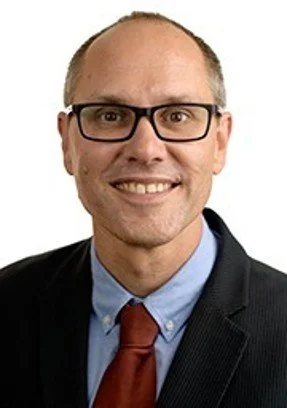
“Designing for Disability First: Assistive Technologies Can Improve Independence, Inclusion and Productivity for Everyone”
Professor Alistair McEwan is the Cerebral Palsy Chair of Engineering and Technology at the University of Sydney and Cerebral Palsy Alliance. He is an internationally recognised biomedical engineer whose research spans assistive technology, rehabilitation engineering, neurotechnology, physiological monitoring, artificial intelligence, and the translation of innovative technologies into clinical practice. His work focuses on improving independence, participation, health and quality of life for people with disability while creating technologies that are more accessible and beneficial for society as a whole. He has published more than 190 peer-reviewed papers, holds multiple patents, and has led major national and international research initiatives across healthcare, disability and biomedical engineering.
Madhushi Bandara
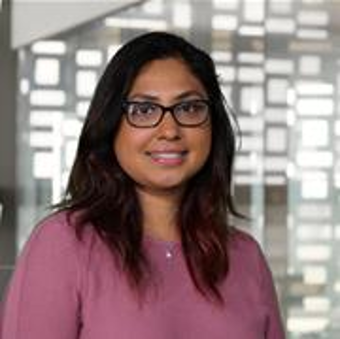
“From Data to Trust: Responsible AI and Knowledge Graphs for Decision Making in Healthcare”
Dr Madhushi Bandara is a Senior Lecturer in Information Modelling and Enterprise Architecture at the University of Technology Sydney, Australia. She received her PhD is Computer Science from the University of New South Wales. She is the co-director of the UTS DigiSAS Lab Software and Societal Systems (S3) and a core member of Biomedical Data Science (BDS) Lab that operates under the Australian Artificial Intelligence Institute (AAII). Her research focuses on responsible AI, knowledge graphs, data governance, digital transformation, and health informatics. She has led and contributed to interdisciplinary projects on AI-enabled decision support for healthcare and patient journey modelling as well as designing and enabling trustworthy digital systems. Her work bridges technical modelling, organisational governance, and human-centred design to support transparent, explainable, and responsible use of emerging technologies in complex domains.
Paul Breen
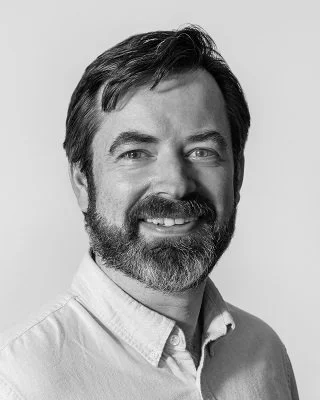
“Which Wearables Work?”
Professor Paul Breen is a Senior Member IEEE and Professor at the MARCS Institute for Brain, Behaviour and Development, Western Sydney University. He works at the intersection of engineering, health, and neuroscience. He develops wearable and assistive technologies that help people maintain independence, manage chronic conditions, and improve quality of life. Through multidisciplinary collaborations with clinicians, industry partners, and end-users, he translates emerging technologies into practical healthcare solutions. His work has led to innovative technologies with both clinical impact and commercial potential, spanning healthy ageing, dementia support, digital health, and neurotechnology.